

Industries · Construction
Traceable ESG data across projects, sites and subcontractors.
Construction groups manage sustainability data across transient project sites, joint ventures and long subcontractor chains, an environment where evidence goes missing easily and reporting boundaries get complicated.
What makes it hard
Sustainability reporting challenges in construction
Project sites open, move and close
Data collection has to survive site mobilisation and demobilisation. Records left behind at closed sites are gone at year-end.
Diesel and machinery records are fragmented
Generator and machinery fuel is often documented in delivery orders and site logs that never reach head office in usable form.
Subcontractor and JV boundaries
Deciding what counts within your reporting boundary, and getting data from partners, complicates every consolidation.
Tender and client ESG expectations
Government and private clients increasingly weigh ESG readiness in prequalification and tender evaluation.
Typical GHG inventory
Common emission sources we help you account for
Source categories typically material in this sector. Your actual inventory is confirmed during scoping.
- Diesel for generators, excavators, cranes and site machinery (Scope 1)
- Site office and temporary facility electricity (Scope 2)
- Company and project fleet vehicles (Scope 1)
- Purchased materials: cement, steel, aggregates (Scope 3)
- Construction and demolition waste (Scope 3)
- Subcontracted works and transport (Scope 3)
Reporting expectations
What regulators and stakeholders expect
Listed construction groups disclose under the Bursa Malaysia Sustainability Reporting Guide, and climate-related expectations are tightening under Malaysia's National Sustainability Reporting Framework. Project-based structures make clear organisational boundaries and evidence trails especially important.
How Scout360 helps
- Site-level data submission that survives project handovers
- Fuel delivery orders and invoices extracted into structured records
- Entity, JV and project structures configured to your boundary decisions
- Submission status visible across every active site
One view across operations
Site-level data, group-level clarity.
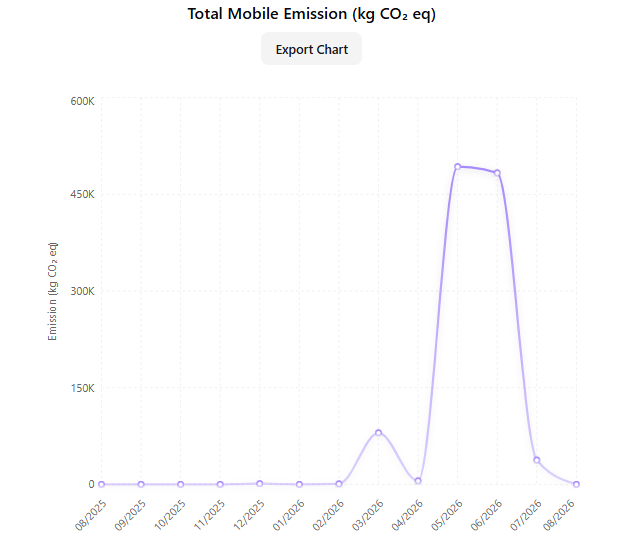
Submissions, emissions and evidence roll up from every site and entity into one controlled repository, so group reporting stops depending on end-of-year spreadsheet archaeology.
Build a stronger reporting system for your construction operations.
Book a demonstration configured with examples relevant to your sector.