

Industries · Manufacturing
Sustainability reporting for energy-intensive, multi-site operations.
Manufacturers face some of the most data-heavy sustainability reporting in Malaysia: energy-intensive processes, multiple facilities, and growing ESG expectations from customers, regulators and financiers.
What makes it hard
Sustainability reporting challenges in manufacturing
Data scattered across sites and systems
Utility bills, fuel records and production data sit in different plants, formats and hands, so consolidating them each reporting cycle is slow and error-prone.
Buyer and supply-chain ESG requirements
Multinational customers increasingly request emissions data and ESG questionnaires as a condition of doing business.
Energy-intensive operations under scrutiny
Electricity and fuel use dominate the footprint, so data quality directly affects the credibility of reported performance.
Intensity metrics need production context
Meaningful tracking requires pairing emissions with production output across periods and entities, which is hard to sustain in spreadsheets.
Typical GHG inventory
Common emission sources we help you account for
Source categories typically material in this sector. Your actual inventory is confirmed during scoping.
- Purchased electricity across plants and facilities (Scope 2)
- Natural gas, diesel and other fuels in boilers, furnaces and generators (Scope 1)
- Company-owned vehicles and forklifts (Scope 1)
- Refrigerant leakage from chillers and HVAC systems (Scope 1)
- Purchased goods, raw materials and inbound logistics (Scope 3)
- Waste generated in operations (Scope 3)
Reporting expectations
What regulators and stakeholders expect
Listed manufacturers report under the Bursa Malaysia Sustainability Reporting Guide, with climate-related disclosure expectations rising as Malaysia adopts the IFRS Sustainability Disclosure Standards through the National Sustainability Reporting Framework. Non-listed manufacturers are increasingly pulled into reporting through customer and financing requirements.
How Scout360 helps
- Centralise utility bills, fuel records and production data from every site
- AI-assisted extraction reduces manual entry of recurring documents
- Site-level and entity-level views with consistent indicators
- Evidence linked to every figure for buyer audits and assurance
One view across operations
Site-level data, group-level clarity.
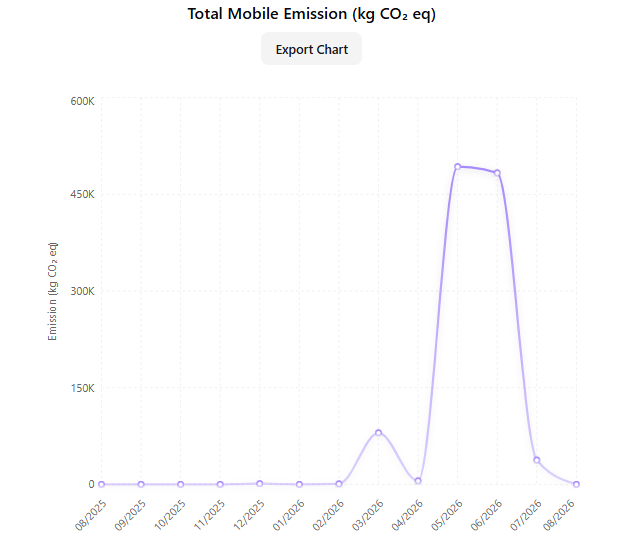
Submissions, emissions and evidence roll up from every site and entity into one controlled repository, so group reporting stops depending on end-of-year spreadsheet archaeology.
Build a stronger reporting system for your manufacturing operations.
Book a demonstration configured with examples relevant to your sector.